
The Military Research Associate Program (MRAP)
Kindbridge Research Institute’s (KRI) Military Research Associate Program (MRAP) assists veterans transitioning from military service to advanced training in mental health treatment and research.

In the US, there are very few highly trained veterans in public health working to improve gambling disorder and mental health outcomes, and ait-times for mental health treatment can last for months. At KRI, we are on a mission to change this and feel that veterans have the interest, skills, and work experience to enable them to add real value to this field and increase representation, but lack guidance and access to specific training opportunities to do so.
Thanks to our sponsors (Draftkings), MRAP has been a foundational experience to those who have participated, assisting ten individuals in achieving their goals between 2022-2024. Each research associate was able to:
- Complete the MRAP training curriculum
- Publish 1 academic paper in a peer-reviewed journal
- Present a poster or talk at 1 academic conference
- Be admitted to one of their top choices for higher education
Kindbridge Research Institute Celebrates Success of Military Research Associate Program
Military Research Associates 2022-2024:

Mark Lucia
Mark piloted and helped facilitate the MRAP program. Upon starting, he had recently transitioned from a military career as a medic in Army Special Forces. After starting MRAP, he was accepted to Johns Hopkins University for a dual master’s in public health (MPH) and business administration (MBA). Mark’s MRAP capstone provided unique insights into responsible gambling strategies in use at DoD slot parlors. Additionally, he co-authored a paper on telehealth treatment for gambling disorder and all other MRA projects to-date. Since completing the program and his studies, Mark has remained on KRI’s team to manage MRAP and lead the newly formed Military Gambling Awareness Committee.

Galen Jones
Galen joined MRAP in Spring of 2022 having just transitioned from Army Special Forces, where he also served as a medic. Galen assisted with publishing the above-mentioned article on telehealth treatment and gambling disorder. His capstone project compared current DoD responsible gambling strategies to the AGA’s recommendations. Since completing MRAP, Galen volunteered as a medic in Ukraine for a non-profit supporting medical capacity development in conflict regions and started a dual MBA/MPH at Yale University. Galen hopes to pursue work in international health following his studies.

Makinna Olmstead
Makinna joined MRAP as a Navy Signals Intelligence specialist applying to the military’s Enlisted to Medical Degree Program (EMDP2). Makinna’s capstone project assessed expert opinions on DoD responsible gambling strategies. She has since participated in several talks at conferences and engagements on behalf of MRAP. During her time with the program, Makinna completed EMDP2 and started medical school at Uniformed Services University (USU). Given this transition she is now a commissioned officer in the Navy. She hopes to work in psychiatry or a behavioral health field once completing her studies.
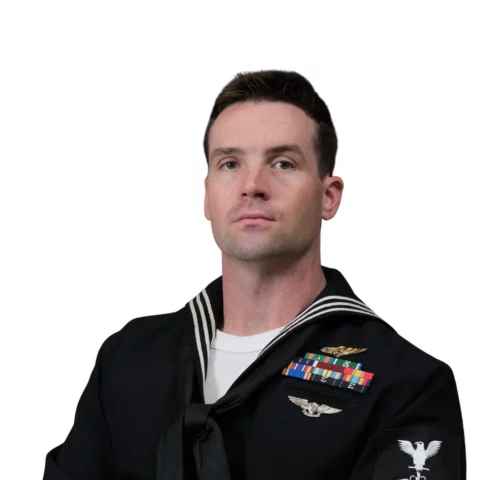
Tim Boos
Tim joined MRAP with similar hopes of pursuing EMDP2. He was serving as a Naval Aviation Rescue Swimmer instructor. During his first year with the program, Tim applied to EMDP2 and was unsuccessful due to manpower requirements at his command. Despite this, he continued with MRAP and conducted research on DoD policy changes related to gambling disorder following a 2017 Government Accountability Office report proposing a screening requirement and updates to DoD policy. Tim has stayed on to complete a second year with MRAP and recently submitted a manuscript for publication. During his second year with MRAP, Tim was accepted to the Uniformed Services Medical School (USUHS) and will begin his medical training next year.
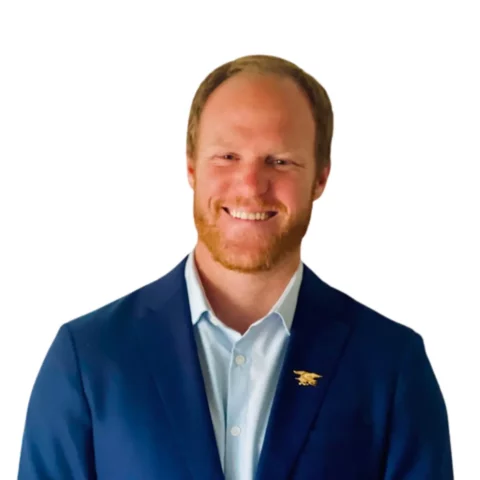
Graeme Chesnie
Graeme initially started MRAP somewhat uncertain of future goals; yet, planning to attend medical school. Prior to this he served as a Navy SEAL with a medical background. His MRAP capstone focused on assessing historical studies of gambling disorder prevalence among military members by various stakeholders (DoD, DoD Affiliates (i.e. RAND), and external researchers). Throughout his time in MRAP, after discussions with program advisors, Graeme decided his future goals would be better met by pursuing a career in professional services, advising companies and new ventures on accessing and scaling products for distribution within the military supply chain.

Grae Dewey
Grae was our most recent MRA and is currently serving as a Behavioral Health Specialist in the Colorado National Guard and completing her undergraduate education. Upon graduating, Grae hopes to continue her education by pursuing a PhD in neuropsychology. While in MRAP, Grae contributed to the above-mentioned comparing prevalence data across various researchers and presented her findings at ICRG 2023. Grae is finishing her undergraduate education at MSU this year and applying for PhD programs.
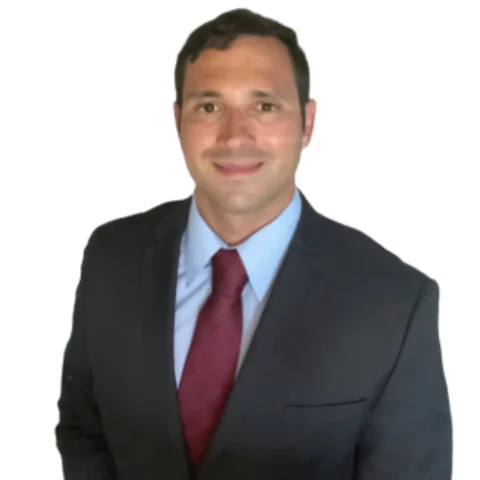
Joseph Macarelli
Joe is a Special Forces Medical Sergeant in 3rd Special Forces Group. He had recently finished his undergraduate education when he joined and was actively applying to medical schools. Since, he was accepted to Uniformed Services Medical School (USUHS) and will begin his medical education in the Summer of 2025. Joe began his MRAP experience in June of 2024 and worked on policy analyses until the official start of the program in the Fall of 2024. He then worked on research assessing VA expenditures and their effect on veteran suicides, with an MRAP research team.

Mackenzie Rifford
Mackenzie served as a registered nurse in the Army. She is currently pursuing her PhD in nursing through the University of Colorado Anschutz Medical Campus. During her time with MRAP she assisted with data analyses related to veteran suicide expenditures as part of an MRAP research team.
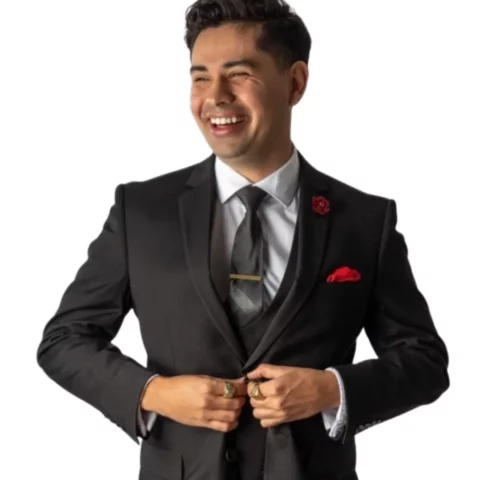
Gerardo Banuelos
Gerardo served in the Army from 2019 – 2023 as a targeting NCO and Fire Support Specialist. Before joining MRAP, Gerardo completed a bachelor’s degree in marketing and a master's degree in International Relations; however, he hoped to attend law school and sought research experience to support his application. During his time with MRAP he studied the public health implications of overturning the Professional and Amateur Sports Protection Act in 2018. Additionally, he conducted policy analyses assessing potential sources of institutional stigma among military branches.

Jacob Leask
Jake came to MRAP looking for a unique MRAP experience. Jake served in the Marine Corps Amphibious Reconnaissance unit, between 1999-2014. Since leaving the Marines, he worked several jobs and ultimately decided he wanted to work at the intersection of community engagement, physical fitness, and mental health. While studying at Metropolitan State University Denver, Jake started a nonprofit that aims to utilize group therapy and combat sports (like MMA) to help improve youth mental health outcomes. Given this, his MRAP experience was focused on conducting background market/business research for this idea, and conducting strategic planning to assist with starting his nonprofit.