
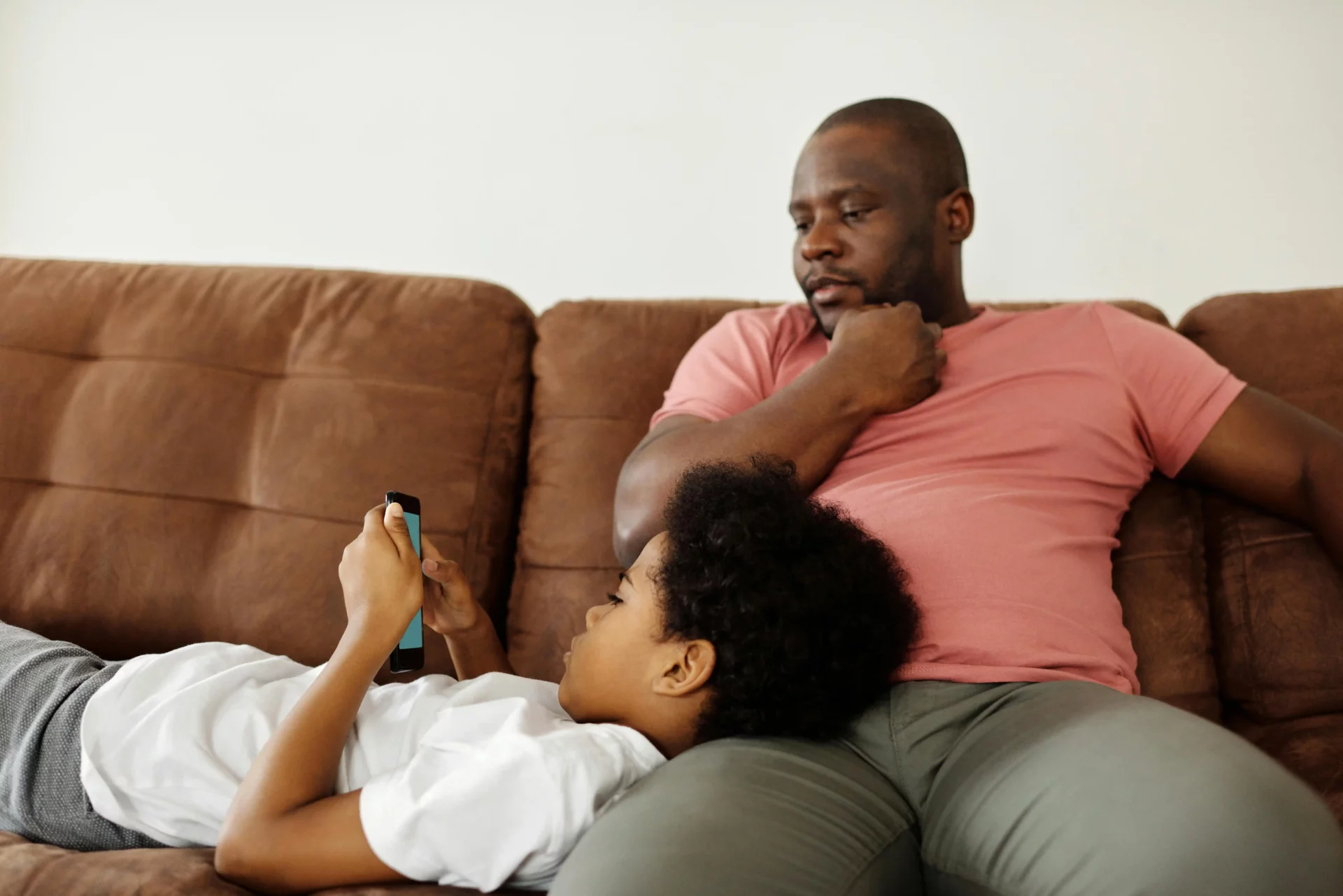
Navigating the world of video games can be challenging for parents, but with the right guidance, gaming can become a positive and enriching part of your child’s life. At Kindbridge Research Institute, we’re here to help you ensure your child’s gaming experience is safe, balanced, and aligned with their overall well-being. Here are practical tips and advice to support healthy gaming habits in your family:
1. Set Clear Boundaries
- Establish Time Limits: Create a daily or weekly schedule that balances gaming with other essential activities like homework, physical play, and family time.
- Define Approved Games: Research and select age-appropriate games that align with your family’s values using tools like the ESRB rating system.
- Encourage Breaks: Promote the 20-20-20 rule: for every 20 minutes of screen time, take a 20-second break to look at something 20 feet away.
2. Foster Open Communication
- Talk About Gaming: Take an interest in the games your child plays. Discuss the themes, challenges, and social aspects of their favorite games.
- Encourage Honesty: Build trust by fostering an environment where your child feels comfortable discussing any concerns, such as online interactions or inappropriate content.
3. Prioritize Online Safety
- Teach Privacy Practices: Explain the importance of keeping personal information private, such as names, addresses, and school details.
- Enable Parental Controls: Use built-in tools on consoles and gaming platforms to manage screen time, restrict purchases, and filter content.
- Monitor Interactions: Encourage playing with friends they know in real life and discuss safe online behavior, including how to report inappropriate actions.
4. Balance Gaming with Other Activities
- Promote a Variety of Hobbies: Encourage interests outside of gaming, such as sports, music, art, or outdoor activities.
- Lead by Example: Model a balanced approach to technology by setting limits on your own screen time and engaging in family activities.
5. Understand the Impact of Gaming
- Know the Benefits: Recognize that gaming can enhance problem-solving skills, teamwork, and creativity when approached healthily.
- Be Aware of Risks: Understand potential pitfalls, such as gaming addiction, excessive in-game spending, and exposure to harmful content, and stay vigilant for warning signs like irritability or loss of interest in other activities.
6. Create a Family Gaming Agreement
- Collaborate with your child to set agreed-upon rules, such as:
- Time and duration of gameplay.
- Approved games and platforms.
- Consequences for breaking the rules.
7. Encourage Positive Social Interactions
- Focus on Cooperative Play: Encourage multiplayer games that promote teamwork and collaboration rather than excessive competition.
- Monitor Online Communities: Stay informed about the communities and forums your child engages with to ensure they are positive and supportive.
8. Recognize Warning Signs of Unhealthy Gaming
- Watch for red flags such as:
- Declining academic performance.
- Sleep disturbances or excessive fatigue.
- Withdrawal from family and friends.
- Increased irritability or emotional outbursts when not gaming.
9. Use Gaming as a Teaching Tool
- Teach Financial Literacy: Discuss the value of money in gaming to avoid excessive spending on in-game purchases or loot boxes.
- Encourage Critical Thinking: Use gaming challenges as opportunities to develop strategic thinking and problem-solving skills.
10. Stay Informed
- Keep up with gaming trends, new technologies, and online safety practices to stay ahead of potential challenges.
- Leverage resources like Kindbridge’s Healthy Gaming Education hub for expert advice and tools.
Final Thoughts
Healthy gaming starts with informed and proactive parenting. By setting clear expectations, encouraging open communication, and staying involved in your child’s gaming experience, you can foster a balanced and enriching digital life for your family. Explore more tools, resources, and educational content at Kindbridge Research Institute’s Healthy Gaming Education hub.